

Moving to Kapolei, Hawaii: What Life Is Really Like on Oahu's West Side
Everybody moving to the west side gets told the same thing: look at Kapolei. But almost nobody tells you the part that decides whether you'll actually love it or regret it. So let's fix that right now.
Kapolei sits 20 miles west of downtown Honolulu on land that was sugarcane fields 40 years ago. Today it's Oahu's Second City, a planned metropolis with its own courthouse, university, shopping districts, rail stations, and thousands of homes. But here's what surprises people: there's not just one Kapolei. You have the older established neighborhoods with grown trees, the brand new construction, the hillside homes with views, and the resort corridor by the water. Same name, totally different worlds.
If you're watching this, there's a good chance you're moving to Oahu, you just got orders here, or you're sitting at your kitchen table on the mainland wondering if this move is even possible. I get it because I moved here from Ohio more than seven years ago, and I know what it feels like to make this decision from thousands of miles away. In this guide, I'm walking you through what it's really like to live in Kapolei, the neighborhoods, the prices, the commute, and the honest trade-offs you need to know before choosing a home.
Table of Contents
- Villages of Kapolei: The Original 1990s Planned Community
- Makakilo: Hillside Views and Cooler Evenings
- Mehana: Newer Master-Planned Living Without the Construction Zone
- Kapolei Knolls: Larger Lots on the West Side
- Ko Olina: Resort Living With a Different Rulebook
- Ho'opili: Brand New Construction Next Door
- Kapolei Condos: The True Entry Point
- What Your Monthly Housing Cost Actually Looks Like
- The Commute Question: Where You Work Changes Everything
- Which Part of Kapolei Fits Your Life?
- Getting Ready to Buy in Kapolei
- Conclusion: Is Kapolei Right for You?
Villages of Kapolei: The Original 1990s Planned Community
Villages of Kapolei is the heart of the original plan, the neighborhood that started it all back in the 1990s. When you turn into these streets, you feel it immediately. Settled-in grown trees throw shade across the sidewalks, and that matters more than you think when you're walking around this community. You'll see kids on bikes, people walking their dogs, neighborhood parks tucked into the blocks. It feels like home because it's had 25 to 30 years to become one.
Single-family resales in the Villages usually sit toward the more obtainable end of Kapolei's detached market, often starting somewhere in the mid-$700,000s. Townhomes come in just slightly below that. The trade-off is the age. These homes are 25 to 30 years old, which means you're looking at roofs, water heaters, and original plumbing systems that are all hitting the point where they need attention. When I'm working with clients here, we budget for updates. That's just part of buying an older home.
But here's what you can't buy at any price: a settled-in neighborhood that already feels like home. The Villages has that. The trees are mature, the streets are walkable, and the community has a rhythm to it. If you're relocating from the mainland and you want a neighborhood that doesn't feel brand new and sterile, this is it. You're trading the warranty and the modern floor plan for character and shade and a place that's already lived in.
What to Budget for in the Villages
Expect to set aside money for the systems that come with a home this age. I'm talking HVAC, roofing, plumbing, water heaters. Get a thorough inspection and ask the hard questions. Don't fall in love with the yard and the trees and then get surprised six months later when the AC dies. The bones are good here, but the house has been working for three decades.
Makakilo: Hillside Views and Cooler Evenings
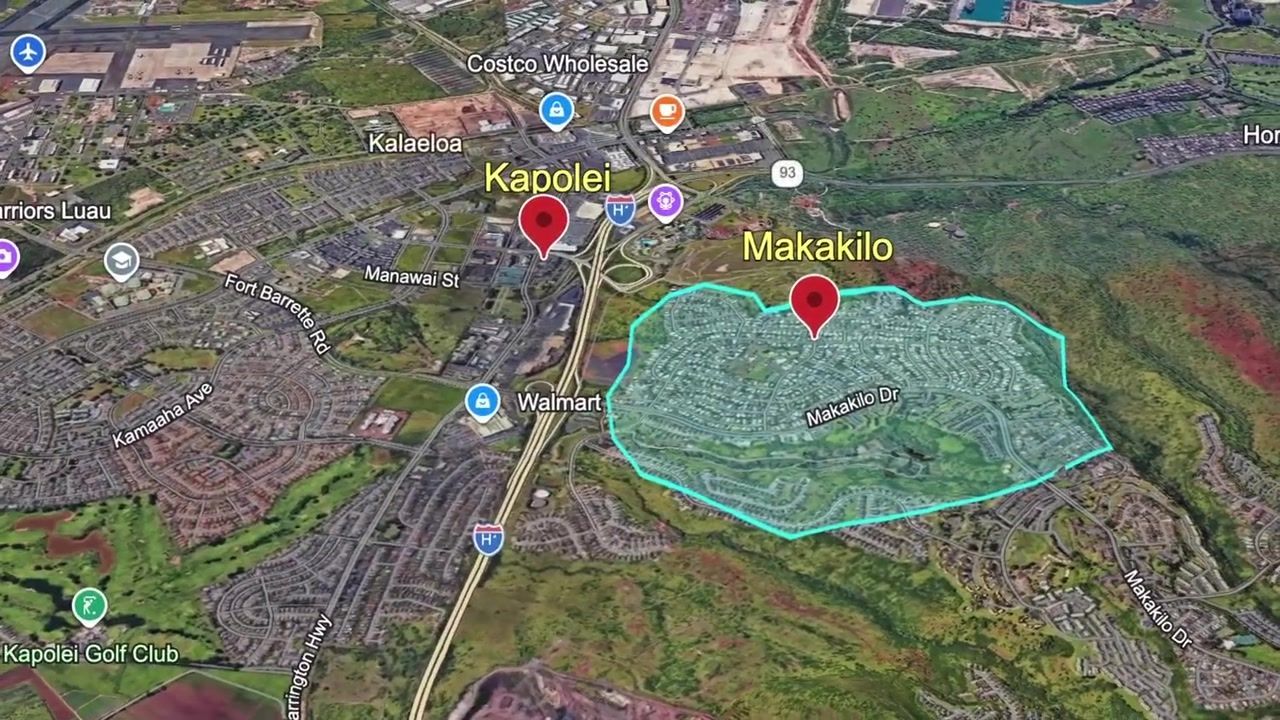
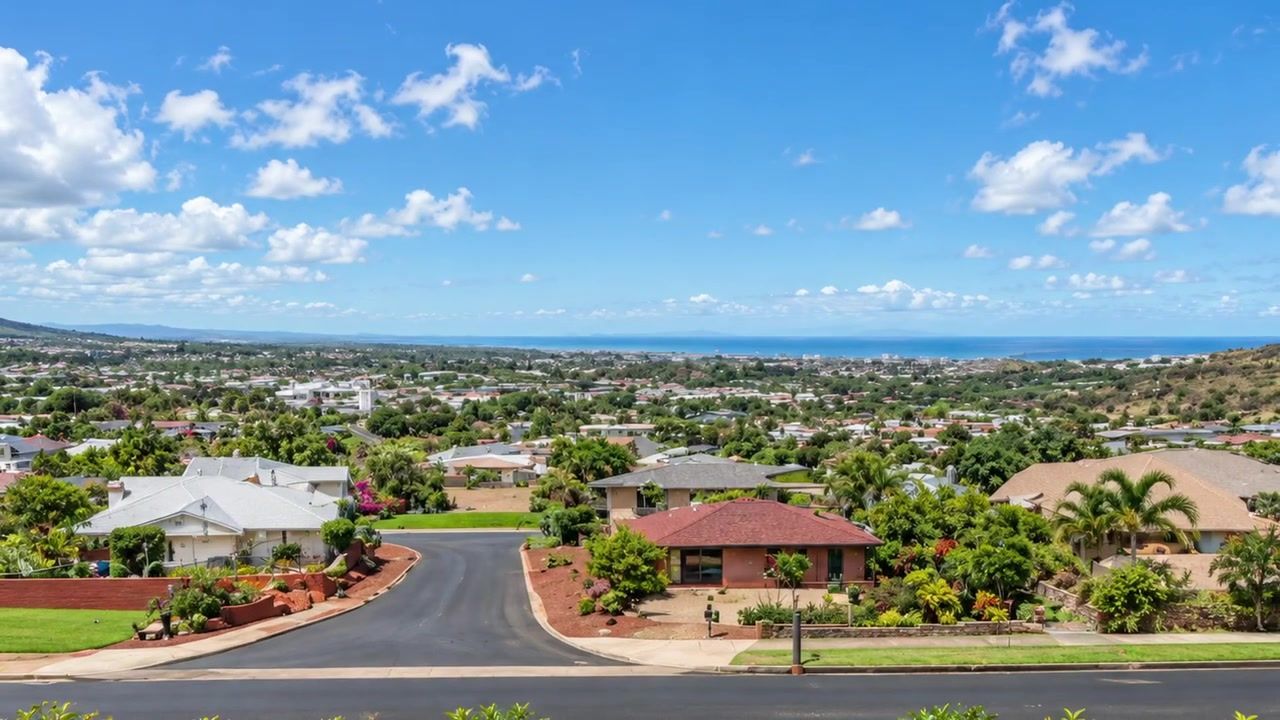
Makakilo sits up on the hill above Kapolei, and this one always surprises people. Once you start driving up, you feel it right away. The road gets a little windier, the air cools off, and every turn you take, there's another view. Makakilo is actually older than some of Kapolei, it existed before Kapolei was even built. Different parts of Makakilo were developed at different times, so you'll see a mix of ages and styles as you climb.
The higher you go, the cooler it gets at night. That's not marketing talk, that's elevation. On clear evenings, you can see the entire plain running all the way down to the ocean. I've been in homes up here where you can see Diamond Head all the way out on the east side of the island. The views are spectacular, and honestly, they're the best on the west side. If your whole picture of Hawaii is a breeze and a sunset off your own lanai, this is about as good as it gets out here.
Homes tend to go for $800,000 and up, but it really depends on how old the home is, how big it is, and what kind of view it has. That's what you're paying for. The premium is the view and the cooler nights and the feeling of being above it all.
The Downsides of Living on the Hill
Let me be straight about the trade-offs. Coming down from that hill takes a few extra minutes to get to the main road. It's not a dealbreaker, but it's real. And older homes come with older stuff that you're going to have to budget for, same story as the Villages, just with a view tax on top. The road can be windier, especially on breezy days. But if you want the best views on the west side and you're willing to pay for them, Makakilo delivers.
Mehana: Newer Master-Planned Living Without the Construction Zone
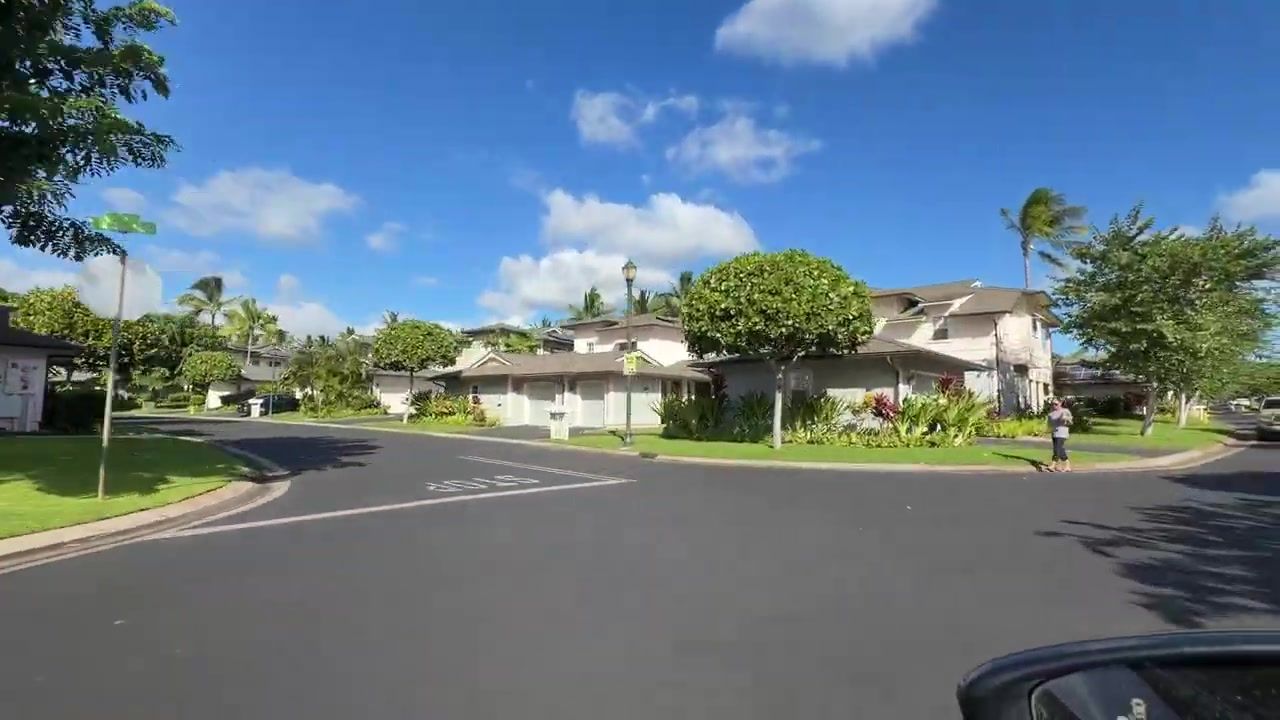
Mehana is the newer master-planned community right on the city's edge. This is walkable, it feels newer, the streets feel cleaner, and you get modern floor plans without being in an active construction zone the way brand new communities are. There are community pools, parks, and a rhythm to the neighborhood that feels intentional.
Townhomes here tend to be toward the upper end of Kapolei's townhome range, which overall runs roughly from the upper $500,000s into the $800,000s depending on size and layout. Single-family homes go higher. Think of Mehana as the middle path, newer than the Villages, but established enough that you're not living on a dirt road waiting for the next phase to break ground.
If you want something that feels modern and clean but you don't want to deal with construction noise and unfinished streets, Mehana is worth a serious look. You're getting the benefits of newer construction without the chaos of a brand new development. The trade-off is price. You're paying for that newness and those amenities, and the HOA fees reflect the pools and the landscaping and the master plan.
Kapolei Knolls: Larger Lots on the West Side
Kapolei Knolls is where the draw is larger lots. Most of the west side resale market runs tight on lot size, but Kapolei Knolls offers more space. Prices are comparable to brand new homes in the area, so you're not getting a discount just because it's resale. You're paying for the land.
If you're coming from the mainland and you're used to a yard, this is one of the few places in Kapolei where you can get closer to that without going custom or waiting for new construction. It's not sprawling acreage, but it's noticeably more breathing room than most of the other neighborhoods out here.
Ko Olina: Resort Living With a Different Rulebook
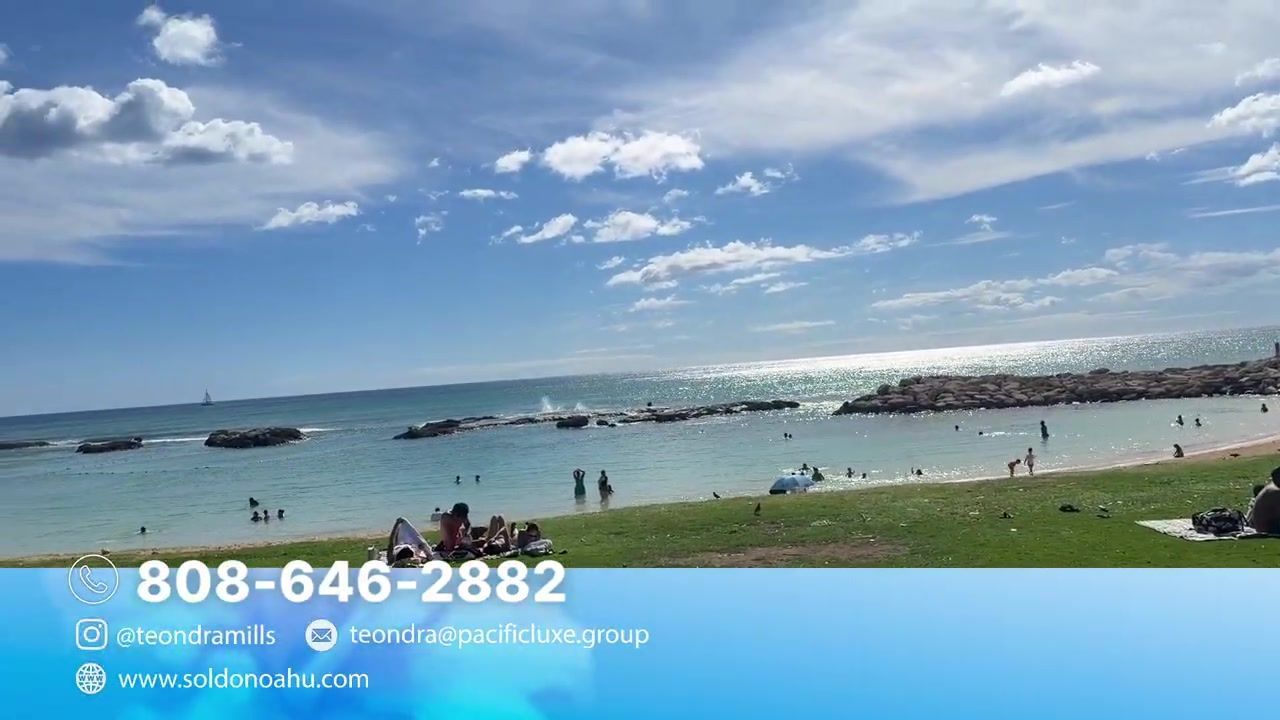
Ko Olina is the resort corridor, and honestly, it's its own video. This is lagoons, marina, calm turquoise water pools, resort amenities, and a completely different lifestyle. Prices run from the high hundreds into the multi-millions, and association fees are resort-size to match. If Ko Olina is calling you, reach out, because that purchase comes with a completely different rulebook around fees, rentals, interest rates, and insurance.
Ko Olina is about 10 minutes from central Kapolei, but it feels like a different planet. The lagoons are right outside your door, the water is calm and safe for kids, and it's where your mainland family is going to want to visit. Locals drive out here on Saturdays to use the lagoons. It's beautiful, it's resort living, and it's expensive in ways that go beyond the purchase price.
What You Need to Know Before Buying in Ko Olina
Association fees here are not like the rest of Kapolei. You're paying for resort-level maintenance, landscaping, security, and amenities. Rental restrictions can be strict. Insurance can be complicated. Interest rates on resort properties can be higher. Don't fall in love with the lagoon view and then get surprised by the monthly fees. Do the math on what this actually costs you every month, not just what the listing says.
Ho'opili: Brand New Construction Next Door

Ho'opili sits right next door to Kapolei, and this is the decision that half of my west side buyers end up making. Ho'opili is a big new construction community with rail stations, the university nearby, and gorgeous brand new homes. I made an entire video breaking it all down, but here's the short version: if you want something brand new, you're basically choosing between Ho'opili's new builds, which are absolutely gorgeous but a little cookie cutter, and Kapolei's older established homes, which have more natural charm.
One is new with a warranty. The other is already settled with mature trees. Your day-to-day life is pretty much the same either way. It just comes down to the house itself and the money. Do you want the warranty and the modern everything, or do you want the settled-in neighborhood with character? Both are valid. Neither is wrong.
Kapolei Condos: The True Entry Point
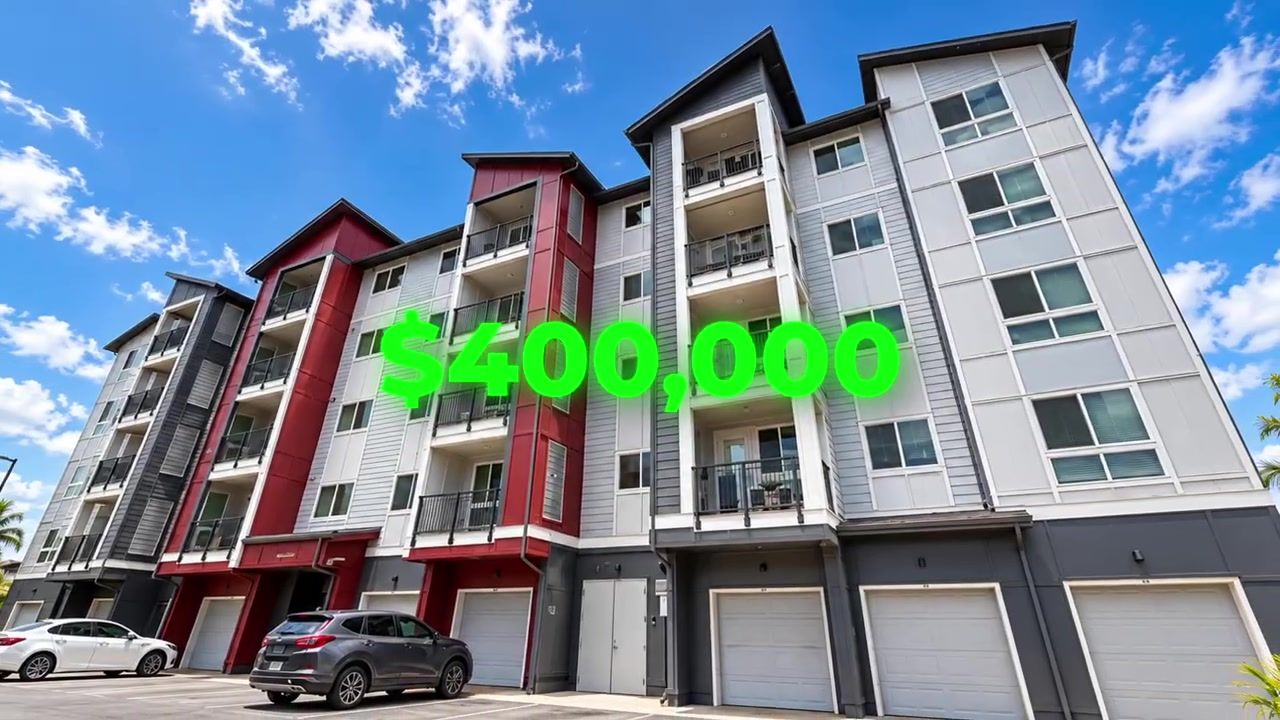
Condos around the city's core usually start somewhere in the mid-$400,000s to $600,000s range. That's often the true entry point to Kapolei, especially for first-time homebuyers and solo people relocating. If you're moving here alone or you're just getting started, condos give you a way into the market without the $700,000 price tag.
The trade-off is space and fees. You're in a smaller footprint, you're sharing walls, and your HOA fees are going to be higher than a single-family home. But you're also not maintaining a yard, you're not replacing a roof, and you're in the market. For a lot of relocators, that's the right call.
What Your Monthly Housing Cost Actually Looks Like
Let's say we've been out touring all day and you walk into that one home. The kitchen's right, the yard works, you're already thinking about where the couch is going to go. Before we get too excited about the price, let's figure out what this house actually costs you every single month. Because two houses at the exact same purchase price can suddenly look very different.
One has owned solar. The other has leased solar with a power purchase agreement you weren't expecting. One has a more efficient AC system. The other has an older system that's going to be running all summer long. That's the number I care about, not just what the house sells for on Zillow, but what this particular house costs you to live in every single month.
The Good Surprise: Property Taxes
Hawaii has one of the lowest property taxes in the country. On Oahu, if this is going to be your primary residence and you qualify, you file for the homeowner's exemption. That makes your property taxes significantly lower than a lot of places on the mainland. If you're coming from Texas, Illinois, or New Jersey, this is usually the part where people look at me and say, "Wait, that's it?" Yes, that's it. It's a pleasant surprise.
Just make sure you understand what the exemption is, how to file it correctly, and when to do it after you close.
The Expensive Surprise: Electricity
Electricity here in Hawaii is so expensive. Kapolei is hot, sunny, and dry, which for some people sounds amazing. But while you're out enjoying the sunshine, your AC is running all day long. That is exactly why you see solar panels on so many roofs out here.
But let's be very clear, that doesn't automatically mean you have a low electric bill. You need to know if that system is leased or owned, if there's a power purchase agreement, how old it is, what it's actually producing, if there's a battery, and what obligation you're taking over. I don't want you getting super excited about a house with solar and then finding out you're locked into a lease or an agreement you weren't expecting.
Association Fees Vary Widely
If you're looking at a single-family home in Kapolei, association fees could be relatively modest. Townhomes, the monthly fees can be much larger. Ko Olina, that's a totally different conversation. Then add homeowner's insurance, and if it's a condo or townhome, look closely at the association's master policy, what it covers and what you're responsible for individually.
Stack it all up: mortgage principal and interest, property taxes, electricity, association fees, insurance. That is your monthly housing number. Don't fall in love with the listing price until we figure out how all the numbers fit your lifestyle. Because we're not just trying to get you into the house. I need you to still be in the house when all your bills start to show up.
The Commute Question: Where You Work Changes Everything
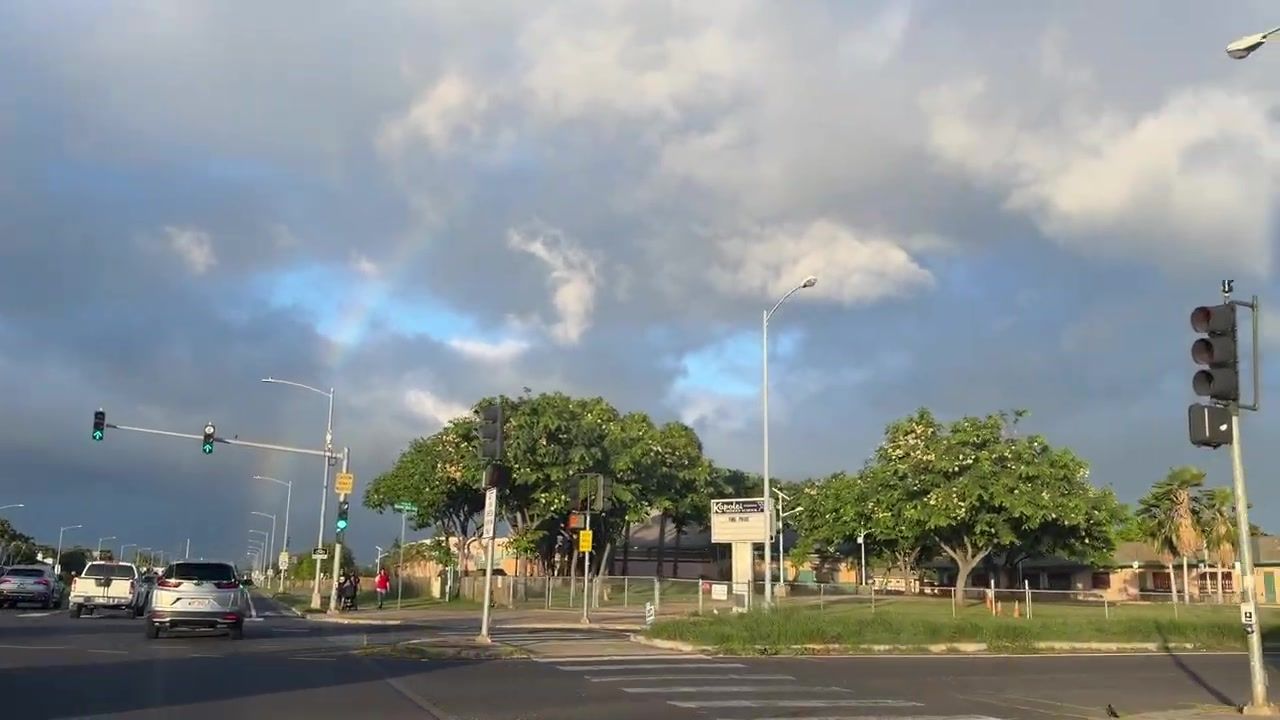
Kapolei is self-contained. Target, Costco, the mall, restaurants, courthouse, library, police station, university, parks, it's all here within 10 minutes. White Plains Beach is 10 minutes one direction, Ko Olina lagoons 10 minutes the other direction. There's Wet 'n Wild water park, a golf course running through the middle of Kapolei, and neighborhood parks everywhere. Many people out here work where they live, and if that's you, this lifestyle is genuinely hard to beat, especially for the money.
But here's the honest part. Are you going to be driving to Honolulu for work? Because that answer changes this whole conversation.
The Tuesday Morning Test
I call this the Tuesday morning test. Let's say you're visiting the island and you just toured a home you absolutely love in this area. You're thinking, "T, this is it, this is the one." I want you to set your alarm on a Tuesday morning for the time you would actually wake up to go to work. Get in your car, drive from Kapolei in whatever direction your job is, and see how traffic holds up for you. Not a Saturday morning. Not a Tuesday at 11:30. An actual work commute time.
Kapolei sits 20 miles west of downtown Honolulu. The miles are not the problem. The problem is traffic. Off-peak, you can probably do that drive pretty quickly. Weekday rush hour, that's a totally different story. That can easily turn into an hour or more depending on what direction you're headed and what's happening on the freeway, an accident, construction, whatever.
If your job is downtown or in Waikiki or even further east, don't take anybody's word for it, including mine. Do the drive. The people who regret buying west are almost never the people who did the drive first and said, "Yeah, I can live with this." It's usually the people who assumed 20 miles meant 20 minutes. It's not that at all.
The Rail
The rail is operating through the west and central parts of the island, and it connects through areas including Pearl Harbor and the airport. Out here, the stations are at Kapolei, UH West Oahu, and Ho'opili. Depending on where you work, this can actually really matter if you're thinking about taking the rail instead of just sitting in your car. But make your home decision based on the transportation that actually works for you and your life today, not some future version somebody tells you is coming.
Jobs in Kapolei
Here's something people moving out here don't realize: there are a lot of jobs in Kapolei. You don't have to commute all the way to Honolulu. Healthcare, government offices, all kinds of businesses, retail, hospitality, resort jobs over in Ko Olina, the military, the university, shops. There's this whole huge community here and it's growing fast. Then you also have people who work remotely. If your office is 10 minutes away from where you live, that brutal commute everybody keeps warning you about completely disappears.
Schools
Quick but really important conversation. You're sitting on the mainland, you find a house online you absolutely love. You love the layout, you love the yard, you pull it up on a map, and there's a school nearby. Perfect. Except it doesn't automatically mean that's your school. School boundaries can get very specific here. This is not just a Kapolei thing, this is any time you need to register your kids for public school: elementary, middle, charter, high school, it doesn't matter.
I'm not going to rank the schools here. The right school really depends on your family, your child, your priorities, and what really truly matters to you. I made an entire video breaking down the schools across Oahu, and I'll link that in the description. But when we're actually looking at homes together, we'll verify the exact school assignment for the property you're considering. Every single time. We're not going to assume.
Which Part of Kapolei Fits Your Life?
Kapolei covers a huge price range. We're talking condos in the mid-$400,000s all the way up to multi-million dollar hillside homes. Big picture, the middle of the market sits somewhere in the low to mid-$700,000s, with a lot of homes running up into the $800,000s. But that number doesn't really tell you much because Kapolei is all over the place.
Here's what you need to understand: Kapolei 40 years ago was sugarcane running from the mountains to the sea. Today it's a working city with energy, shopping, restaurants, people, things happening all over town. The state literally called it the Second City because that's exactly what it was built to be, a second downtown for Oahu. None of this happened by accident. Back in the late 1980s, Honolulu was packed, and there was nowhere to put people. So the state and the landowners made a call. Instead of cramming more people into town, they built a second city out west, and they started from scratch. They pulled it off.
But here are the trade-offs you need to know.
The Heat
Kapolei is on the leeward side of the island. You're going to get a lot of sunshine and very little rain. That's wonderful if your dream weather is beach weather all year round. But the real trade-off is your house heats up, your AC runs all the time, and your yard may need more watering. If you love that cool, green, misty Hawaii feeling, this side of the island is not that. However, Makakilo has more elevation and feels noticeably cooler at night. If you're seriously thinking about living out here, come and experience it during the hotter months. Don't just visit in February and assume that's what August feels like.
Growing Pains
This city has done exactly what it was designed to do. People are moving here, businesses are here, neighborhoods are being built. That's exactly why there are more people funneling through here on the exact same roads. School pickups get busy, the after-work rush gets busy, certain intersections get backed up, and more housing is constantly being added. Kapolei does not feel like a sleepy beach suburban town. This is a working city. Honestly, I think that's part of the appeal. You have the energy, the shopping, the restaurants, the people, the things happening. But if you're moving to Hawaii because your dream is peace and quiet and no one around, Kapolei is not that.
The Ocean
Yes, you're on the west side of the island. Yes, you're near the ocean. But that doesn't mean most of Kapolei is homes right on the beach. White Plains is nearby. Ko Olina is nearby. These are beautiful beaches along the coast. But most people living in Kapolei are getting in their car to get to the water. The ocean deserves respect. Some beaches are more beginner-friendly than others. The lagoons are so popular for my relocation clients because the water is calm and safe. If your dream is to walk to the beach every evening from your house, think very carefully about the exact neighborhood you're choosing. In Kapolei, you can absolutely have beaches nearby, but that doesn't necessarily mean beachfront living.
Fees and Rules
This one is boring until it starts to cost you money. When you're looking at different locations, Mehana, certain condos, Ko Olina, they all have different association structures. Different fees, different parking rules, different pet rules, different rental restrictions, different maintenance responsibilities. Those items add up. Insurance situations can also be very different from each location. Never carry assumptions from one community to another. Just because your friend pays an HOA fee in Kapolei doesn't mean two houses two miles away work the exact same way. Read the documents before you fall in love with the house.
Getting Ready to Buy in Kapolei
Somebody starts looking casually because they're not necessarily ready yet. They start scrolling through Zillow, sending me houses, watching videos, just getting a feel for things. And then it happens. The perfect house pops up. The right neighborhood, the right price, updated kitchen, garage, yard, the entire works. Maybe it has owned solar. Except your financing isn't ready. Now we're trying to gather documents, get the lender involved, trying to figure out what you can qualify for. Meanwhile, somebody else saw that exact same house yesterday and their agent is already writing an offer.
That is a terrible time to start preparing to buy a home. When I tell you to get pre-approved before you're seriously house hunting, I'm not saying this because realtors love paperwork. We absolutely do not. I'm saying it because the house that makes the most sense for you might end up being the one you lose, and it teaches you a lesson you wouldn't have learned if you'd gotten prepared earlier.
Get fully pre-approved. Know what your budget is. Understand your monthly number. Ideally, work with a lender who understands Hawaii transactions and the type of property you're trying to buy, especially if you're using VA financing.
Representation
You're walking into an open house and there's a really nice agent. They're super friendly, they're answering your questions, which is great. But understand who they work for. They work for the seller. Before you're touring seriously, make sure you have your representation figured out. Someone whose job is to look at the house and ask: What does this cost you every single month? What are the fees? What are the documents saying? What does the commute really look like on a day-to-day basis? What are we seeing in the inspection report? Is this solar owned? What is happening with the association?
Buying a house is not the goal. Buying the right house is.
Conclusion: Is Kapolei Right for You?
I'm not here to sell you on Kapolei. I'm here to help you figure out whether Kapolei fits your actual life. There's no perfect neighborhood on this island. There's just the right neighborhood that's going to work with your budget, your commute, your job, your lifestyle, and the things you care about.
If you're thinking about moving to Oahu and buying a home, book a relocation consultation with me. It's free. Whether you're ready to go right now or a year out, I'm here to help you start figuring it out. It's never too early or too late to have that conversation. We can talk about your budget, your timeline, what's working for you, where you're going to be working, what neighborhoods make sense.
FAQ: Moving to Kapolei, Hawaii
What is the median home price in Kapolei?
The middle of the market in Kapolei sits somewhere in the low to mid-$700,000s, but the range is huge. Condos start in the mid-$400,000s, and hillside homes in Makakilo can go over a million. Single-family homes in the Villages often start in the mid-$700,000s, while townhomes come in just slightly below that. Ko Olina runs from the high hundreds into the multi-millions.
How bad is the commute from Kapolei to Honolulu?
Kapolei sits 20 miles west of downtown Honolulu. Off-peak, the drive can be quick. Weekday rush hour, it can easily turn into an hour or more depending on traffic, accidents, and construction. Do the Tuesday morning test, drive the commute at your actual work time before you buy. The rail is operating through the west side with stations at Kapolei, UH West Oahu, and Ho'opili, which can help if your job is near Pearl Harbor or the airport.
Are property taxes high in Kapolei?
Hawaii has one of the lowest property taxes in the country. If this is your primary residence and you qualify, file for the homeowner's exemption, which significantly lowers your taxes compared to most mainland states. If you're coming from Texas, Illinois, or New Jersey, you'll be pleasantly surprised.
What is the weather like in Kapolei?
Kapolei is on the leeward side of Oahu, which means hot, sunny, and dry. You get a lot of sunshine and very little rain. Your AC will run all day long, and electricity here is expensive. Makakilo, up on the hill, feels noticeably cooler at night because of the elevation. If you're picturing green, misty, cool Hawaii, that's the windward side. Kapolei is beach weather all year round.
Can I walk to the beach from my home in Kapolei?
Most of Kapolei is not beachfront. White Plains Beach is about 10 minutes one direction, and Ko Olina lagoons are about 10 minutes the other direction. Both are beautiful, but most people living in Kapolei are getting in their car to get to the water. If your dream is to walk to the beach every evening from your house, think carefully about the exact neighborhood you're choosing.
What should I know about solar panels on homes in Kapolei?
Solar is common in Kapolei because electricity is so expensive and the AC runs constantly. But solar doesn't automatically mean a low electric bill. You need to know if the system is leased or owned, if there's a power purchase agreement, how old it is, what it's producing, if there's a battery, and what obligation you're taking over. Don't get excited about a house with solar and then find out you're locked into a lease or agreement you weren't expecting.
Teondra Mills | Pacific Luxe Group
If you are looking for a trusted advisor who delivers elevated service, understands Hawaiʻi real estate with deep Oʻahu expertise, and treats every client like ʻohana, you are in the right place.

Recent Posts