
Kaimuki earns its reputation as the top neighborhood in Honolulu for a reason. Tucked on the mauka side of Diamond Head, this compact, walkable community blends suburban calm with city convenience, an unbeatable combo for families, professionals, and anyone who wants local character without sacrificing access to the island’s best destinations.
Table of Contents
- What Makes Kaimuki the Top Neighborhood in Honolulu?
- Quick Snapshot: Location, Commute, and Nearby Highlights
- Neighborhood Character: Local Shops, Food, and Nightlife
- Active, Outdoor Lifestyle: Surf, Yoga, and Parks
- Architecture and Housing in Kaimuki
- Schools and Family Life
- Rental Market and Typical Residents in Kaimuki
- Why Kaimuki Feels Like a Community
- Practical Considerations for Kaimuki Buyers and Renters
- Tips for Feeling at Home Quickly
- Summary: Who Should Consider Kaimuki?
- Kaimuki Neighborhood Checklist Before You Move
- FAQs About Moving to Kaimuki, Honolulu
- Final Thoughts
What Makes Kaimuki the Top Neighborhood in Honolulu?
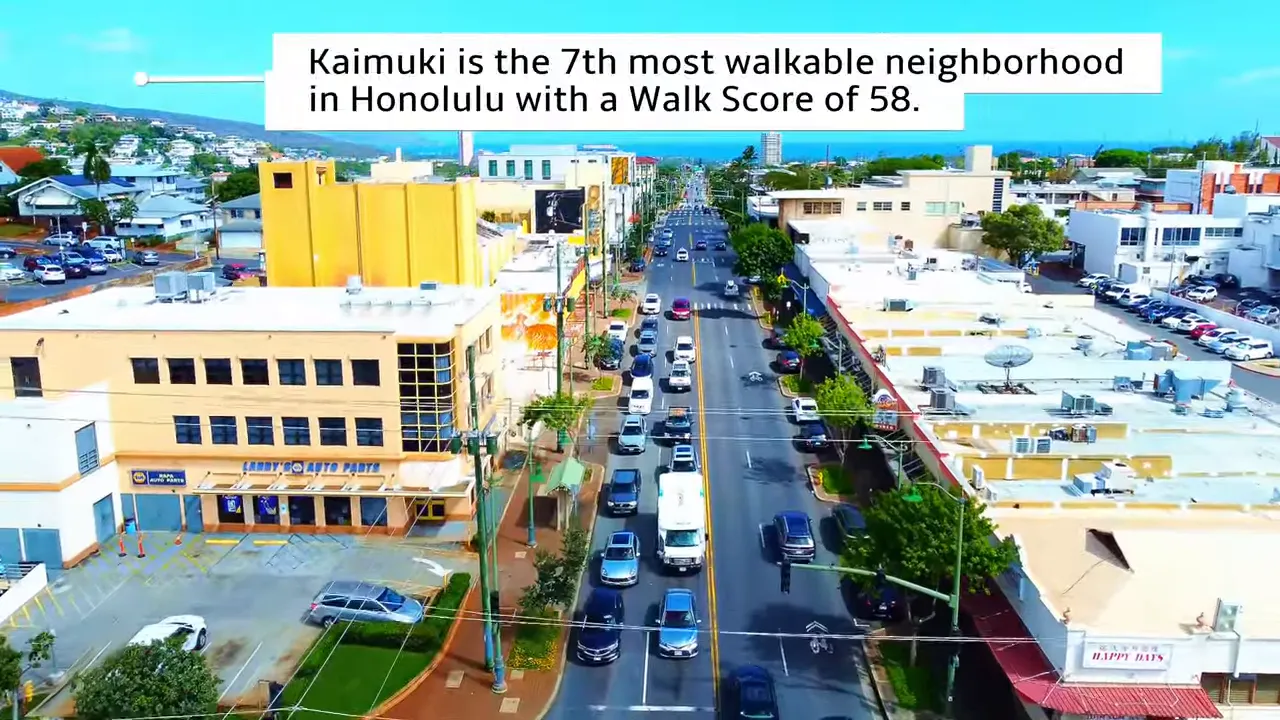
Kaimuki feels like a small town tucked neatly inside a big city — a neighborhood where front-porch conversations still happen, independent storefronts outnumber chains, and familiar faces greet you on morning coffee runs. Its tree-lined streets and compact commercial corridors make it easy to run errands on foot or by bike: stop for a pour-over at a neighborhood cafe, roll into a midday yoga class, pick up groceries at a corner market, and end the evening with a late-night jazz set or an intimate dinner at a locally owned restaurant. The sound of live music, the scent of baking bread, and the sight of kids playing in nearby parks all contribute to a lived-in, neighborly rhythm that feels rare in larger urban centers.
That steady blend of community, convenience, and variety is exactly why many residents — from young professionals and families to long-time homeowners — call Kaimuki the top neighborhood in Honolulu. You get walkable streets, a true local retail scene, easy access to schools and parks, and short drives to Waikiki, Ala Moana, and the H1 highway, so daily life here balances island ease with practical connectivity. It’s a place where routine errands become moments of connection, where a single afternoon can include coffee, movement, and music, and where the neighborhood’s character adds tangible value to everyday living.
Quick Snapshot: Location, Commute, and Nearby Highlights
Location is often the single most important factor in real estate, and Kaimuki’s location is a prime example of "location, location, location." Sitting mauka of Diamond Head, Kaimuki is:
- 5 minutes from Kahala Mall (sometimes called Hawaii’s Beverly Hills).
- 10 minutes from Ala Moana Shopping Center, one of the largest open-air shopping centers in the world.
- 10 minutes from Waikiki’s beaches, surf, and nightlife.
- Near H1 for straightforward driving across Oahu.
Neighborhood Character: Local Shops, Food, and Nightlife
One thing that separates Kaimuki from many Honolulu neighborhoods is the density of locally owned businesses. These are not cookie-cutter chains; they are cafes, restaurants, and specialty shops that attract residents from across Oahu. That local flavor is central to why residents consider Kaimuki the top neighborhood in Honolulu.
For food lovers, Kaimuki offers a wide range:
- The Surfing Pig — a go-to for meat lovers and comfort fare.
- Leahi Health — a solid choice for plant-based and health-focused menus.
- Ramen shops, creative eateries, and classic pizzerias round out the options.
Nightlife and evening entertainment stay local and lively. From jazz nights to intimate live shows, Kaimuki’s scene is relaxed but fun — perfect when you want a night out without the Waikiki crowds.
Active, Outdoor Lifestyle: Surf, Yoga, and Parks
Living in Kaimuki, an active lifestyle is easy to maintain. It’s common to see surfboards strapped to cars or people jogging with yoga mats on their way to class. The neighborhood is equipped with:
- Public parks and recreation fields
- Basketball and pickleball courts
- Community pools, tennis courts, and large baseball fields overlooking Diamond Head
Outdoor classes like yoga under the palms and occasional sound bath events make calm and community-focused wellness accessible. That local, everyday access to recreation contributes to Kaimuki’s reputation as the top neighborhood in Honolulu.
Architecture and Housing in Kaimuki
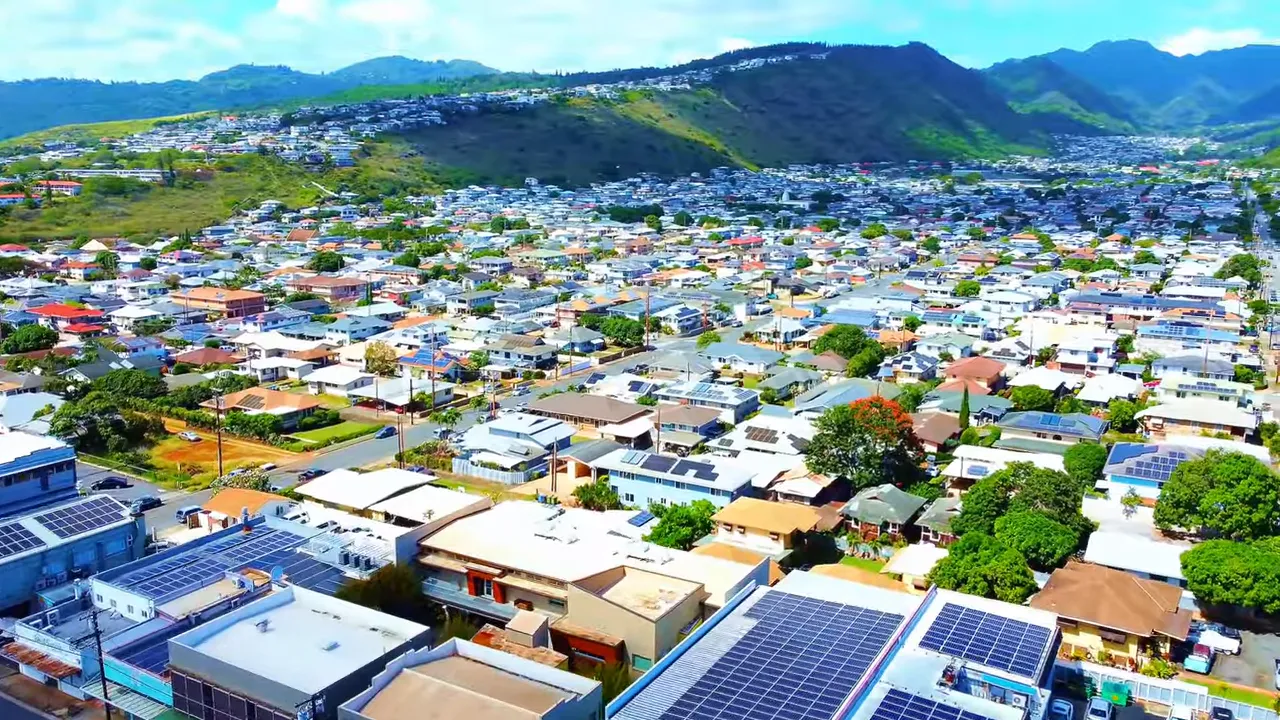
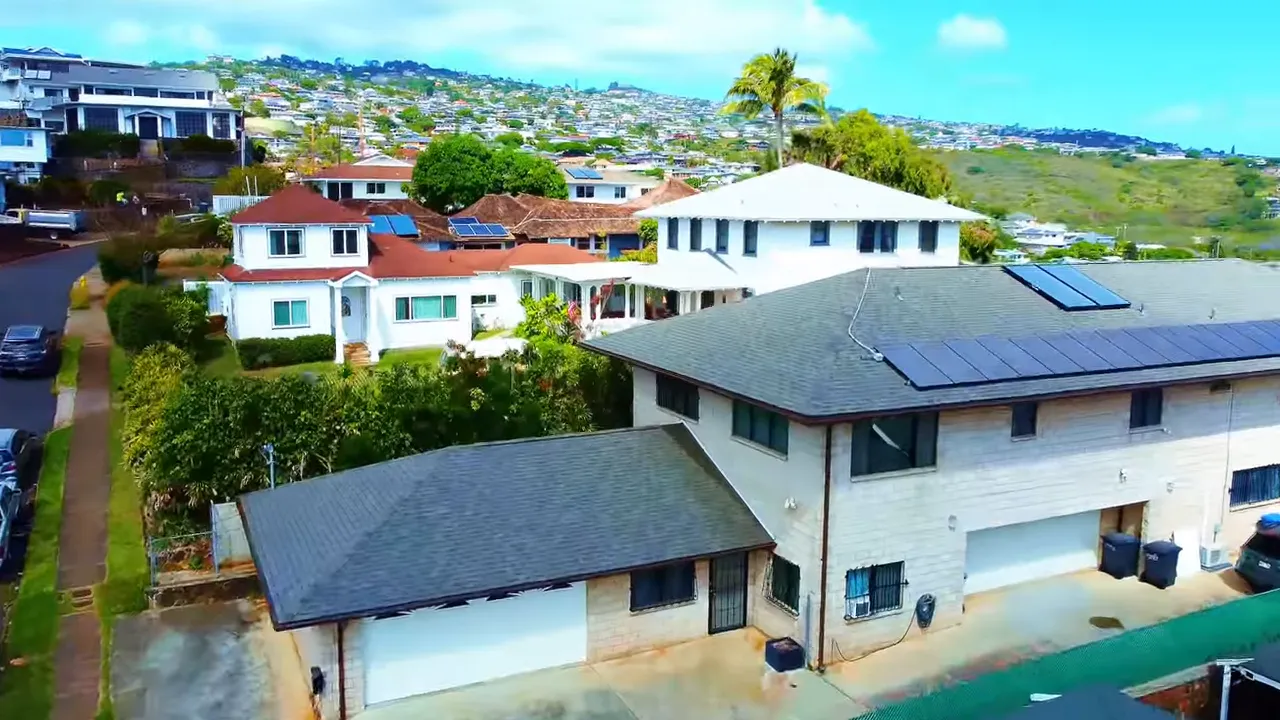
Kaimuki was Honolulu’s first major subdivision, developed primarily before the 1940s. The neighborhood still showcases many single-wall plantation-style homes on post-and-pier foundations, often with traditional jalousie windows. Those classic details give the area a distinct island character.
Most housing in Kaimuki is low-rise and single-family — high rises are rare. That means a quieter skyline and streets that feel residential even if you’re steps from shops and cafes. Because of this charm and location, house prices tend to be higher than similar homes relocated to other parts of Oahu.
A useful comparison: a plantation-style house in Kaimuki may list for upwards of $1.3 million, whereas a similar structure moved to Ewa Beach or Mililani could be closer to $800,000. The difference highlights the premium buyers pay for being in the top neighborhood in Honolulu.
Schools and Family Life
Families appreciate Kaimuki for its walkability to schools and parks. Elementary schools are close by, and many families choose Kaimuki for the convenience of nearby public amenities and the community-oriented feel. Multi-generational homes and long-standing family ownerships are common; land and houses passed down through generations embody the neighborhood’s continuity and roots.
Public recreation facilities are generous and often free: public pools, tennis courts, basketball courts, and large sports fields provide plenty of room for kids and adults to stay active. Those resources contribute directly to why many list Kaimuki among the top neighborhood in Honolulu.
Rental Market and Typical Residents in Kaimuki
Rental units in Kaimuki often target working professionals and small families, drawn by the neighborhood’s combination of walkability, local shops, and easy access to town. Typical inventory includes downstairs and upstairs units in older plantation-style homes, small multi-family properties, and a handful of updated flats — many of which are offered furnished to accommodate relocating professionals or short-term needs. A furnished 2-bedroom, 1-bath downstairs unit might fetch between $2,295 and $2,795 per month, depending on condition, updates, exact location, and whether utilities or parking are included.
Rents can vary based on features renters value: in-unit laundry, covered parking, air conditioning, and modern kitchens generally command the higher end of the range, while older single-wall units or properties without parking tend toward the lower end. Landlords frequently offer 12-month leases, though shorter terms or month-to-month arrangements appear occasionally for fully furnished units. Pet policies are mixed — many landlords allow small dogs or cats for an additional deposit or monthly fee, but always confirm before signing.
Because Kaimuki sits centrally in Honolulu, tenants who work in town, teach nearby, or need easy H-1 freeway access find it especially convenient. The neighborhood’s walkable commercial corridors make commuting days easier — you can grab coffee, run errands, or catch an evening class without driving. For renters moving from other parts of Oahu, Kaimuki provides a compromise between suburban space and urban convenience, which helps keep demand steady year-round.
Practical tips for prospective renters:
- Ask whether utilities (water, trash, electricity, internet) are included and estimate monthly costs if not.
- Confirm parking arrangements and any street permit rules — parking can be limited on busier blocks.
- Inspect for common issues in older homes, like single-wall construction, jalousie windows, or limited insulation, which affect comfort and noise.
- Consider furnished vs. unfurnished pricing: furnished units offer convenience but typically carry a rent premium.
Why Kaimuki Feels Like a Community
A neighborhood becomes more than a physical place when it fosters relationships and routines. Kaimuki’s small-town rhythm — morning coffee runs, evening strolls, neighborhood events — creates those daily connections. Locally owned shops and family-run businesses encourage repeat visits and friendly encounters that build familiarity.
For many residents, that sense of belonging is the critical factor that elevates Kaimuki into the conversation as the top neighborhood in Honolulu.
Practical Considerations for Kaimuki Buyers and Renters
If you’re thinking about making Kaimuki home, keep these practical points in mind:
- Expect a premium for location and neighborhood character.
- Older homes may need upgrades — single-wall construction, jalousie windows, and post-and-pier foundations have pros and cons.
- Walkability reduces the need for daily driving, but having a car is helpful for island travel.
- Schools and parks are local assets that make Kaimuki family-friendly.
Investment perspective
From an investment standpoint, Kaimuki’s consistent appeal to locals and professionals supports steady demand. The neighborhood’s combination of accessibility to town, proximity to Waikiki, and distinctive retail scene helps preserve property values. That reliability is another reason Kaimuki is seen as the top neighborhood in Honolulu by many real estate professionals.
Tips for Feeling at Home Quickly
- Frequent local cafes and markets to learn business hours and meet owners.
- Join a community class or volunteer at neighborhood events — parks and recreation programs are great places to start.
- Explore side streets on foot or bike to discover the quieter residential pockets that give Kaimuki its charm.
- Talk with long-time residents — multi-generational families often have neighborhood insights that aren’t listed anywhere else.
If you’re still unsure whether Kaimuki is the right fit for you, I’m happy to help you decide—reach out anytime. Call or text me at 808-829-0056 and I can answer questions, share neighborhood listings, or help set up a tour. I look forward to helping you find your perfect home in Honolulu.
Summary: Who Should Consider Kaimuki?
Kaimuki is a strong choice for:
- Families who want a neighborhood with schools and parks within walking distance.
- Professionals who value quick commutes to town without giving up local character.
- Anyone who prefers locally owned shops, casual dining, and a relaxed nightlife over tourist-driven scenes.
- Buyers looking for solid long-term value in a community-oriented part of Honolulu.
If a walkable, character-rich neighborhood with convenient access to shopping, beaches, and the H1 sounds like your idea of island living, Kaimuki deserves a close look as the top neighborhood in Honolulu.
Kaimuki Neighborhood Checklist Before You Move
Use this quick checklist when evaluating a Kaimuki property:
- Inspect for structural issues common in older homes.
- Check noise levels near main commercial streets.
- Confirm school zones and proximity if you have children.
- Assess parking availability and street regulations.
- Review recent sales in the area to understand price trends.
Local voices: what residents appreciate
Residents often point to convenience and community as top assets. For many, the decision to live in Kaimuki starts with family ties or school proximity and grows into appreciation for the neighborhood’s diversity and amenities. That personal connection is a recurring theme among long-term homeowners and newcomers alike.
FAQs About Moving to Kaimuki, Honolulu
Is Kaimuki really the top neighborhood in Honolulu for families?
Kaimuki scores highly for families because of nearby schools, parks, and community amenities. Its walkability and neighborhood feel make it especially appealing to families seeking convenience and a strong sense of community.
How does the cost of living in Kaimuki compare to other Honolulu neighborhoods?
Costs in Kaimuki tend to be above average for Oahu due to location and housing character. Older plantation-style homes command a premium compared to similar houses relocated to other parts of the island, reflecting Kaimuki’s desirability as a top neighborhood in Honolulu.
Are there good rental options in Kaimuki?
Yes. Kaimuki has a mix of furnished and unfurnished rentals that appeal to working professionals and small families. Typical rents for a furnished 2-bedroom downstairs unit range from around $2,295 to $2,795, depending on condition and exact location.
What kinds of homes are most common in Kaimuki?
The neighborhood features many single-family, low-rise homes, including older plantation-style houses with single-wall construction and jalousie windows. High rises are uncommon, which preserves a residential streetscape.
What are must-try restaurants and local spots?
Local favorites include The Surfing Pig for hearty fare and Leahi Health for healthier, plant-forward options. Small ramen shops, cafes, and independent bakeries complete the local dining scene that helps define Kaimuki as a top neighborhood in Honolulu.
Final Thoughts
Kaimuki is more than a location — it’s a daily experience. The balance of suburban calm, local commerce, and quick access to the rest of Oahu make it a compelling choice for those who prioritize community and convenience. For anyone seeking a neighborhood that feels lived in and loved, Kaimuki consistently rises to the top as a standout choice and keeps earning its reputation as the top neighborhood in Honolulu.