
Investing in Hawaii real estate can be a smart long-term move, but it is not a market that rewards casual planning. Too many investors arrive with mainland assumptions, expect mainland timelines, and build mainland budgets. That is where things start to go wrong.
Hawaii is not a bad market. Far from it. The problem is that this market is uniquely unforgiving when people try to cut corners. Logistics are different. Renovations move differently. Laws are different. Even tenant strategy works differently here.
If we want to succeed when investing in Hawaii real estate, we need more than excitement about island property. We need clarity. That clarity protects timelines, repairs, legal compliance, tenant quality, and ultimately the investment itself.
Table of Contents
- Why investing in Hawaii real estate is different
- The logistics problem most investors underestimate
- Contractor selection can make or break your returns
- Supply chain delays turn small repairs into expensive problems
- Hawaii landlord tenant law is not something to wing
- Why tenant screening matters more than filling a vacancy fast
- Military rentals can work well if you understand BAH
- Cash flow versus appreciation in Hawaii
- Marketing mistakes that quietly cost you money
- How to succeed when investing in Hawaii real estate
- Frequently asked questions
Why investing in Hawaii real estate is different
The biggest mistake we see is assuming Hawaii works like California, Texas, or anywhere else on the mainland. It does not. Investing in Hawaii real estate means stepping into an island system with its own pace, pressure points, and operating realities.
That difference shows up in nearly every part of ownership:
- Construction timelines are longer
- Labor availability is tighter
- Materials can take much longer to arrive
- Emergency repairs can cost more
- Landlord tenant rules can be more tenant-friendly
- Long-term rentals often do not produce strong monthly cash flow
So yes, investing in Hawaii real estate can absolutely work. But it works best for people who respect the system instead of fighting it.
The logistics problem most investors underestimate
Hawaii is physically isolated, and that affects everything. Labor, materials, scheduling, shipping, installation, and project management all move through a narrower pipeline than many investors expect.
That means even basic renovation planning needs more patience and more margin. If we underestimate that reality, budgets can spiral fast.
One of the simplest ways to think about it is this: when something goes wrong on the mainland, there are often more backup options. In Hawaii, the number of available vendors, tradespeople, and replacement products can be much smaller. As a result, one delay can create a ripple effect through the entire project.
This is why investing in Hawaii real estate requires planning for time, not just cost. If a remodel takes longer, holding costs continue. If a vacancy lasts longer because work is unfinished, income gets pushed back. If materials are delayed, the rest of the schedule can stall.
That is the island reality. Not good or bad. Just real.
Contractor selection can make or break your returns
Good contractors in Hawaii are in demand, and the strongest ones are often booked out. That creates a dangerous temptation for investors to choose whoever is available fastest or whoever promises the cheapest number.
That shortcut can become one of the most expensive mistakes in the entire investment.
A poor contractor decision does not only create delays. It can also create:
- Subpar workmanship
- Repeat repairs
- Emergency maintenance later
- Higher long-term ownership costs
- Damage to rentability and tenant satisfaction
In other words, a bad contractor does not just cost money once. The damage can keep resurfacing over time.
That matters even more in Hawaii, where maintenance issues can intensify quickly. When a property sits in a humid, coastal environment, neglect and poor workmanship have a way of becoming larger problems sooner than expected.

When investing in Hawaii real estate, we want to think beyond the initial invoice. We should be asking whether the work will hold up, whether the timeline is realistic, and whether the contractor understands local conditions and standards.
Supply chain delays turn small repairs into expensive problems
Another area investors often underestimate is appliance and supply timing. A refrigerator, washer, or other essential item may not be available immediately through big box stores. Delivery can stretch into weeks, sometimes longer.
That might not sound like a huge issue until it becomes a tenant emergency.
If a refrigerator fails in an occupied rental, waiting a month is not a practical solution. Owners are often forced to buy quickly from a local source, and local options can carry premium pricing. At that point, there is little room to comparison shop.
This is how everyday ownership costs can quietly rise when investing in Hawaii real estate. The issue is not only the product cost. It is the urgency premium, the limited availability, and the disruption that comes from not having a backup plan.
Smart investors budget for this by expecting replacement delays and keeping extra reserves. The more realistic we are upfront, the fewer surprises we absorb later.
Hawaii landlord tenant law is not something to wing
Legal risk is one of the most overlooked parts of investing in Hawaii real estate.
Hawaii landlord tenant rules are not something to casually figure out along the way. If we do not understand the law, simple mistakes can turn into costly ones. The state tends to be more tenant-friendly, which means processes can be slower, more regulated, and less forgiving when a landlord mishandles something.
That especially matters in eviction situations. If there is a legal misstep, the loss is not just frustration. It can mean months of missed rent and expensive delays while the issue works through the required process.
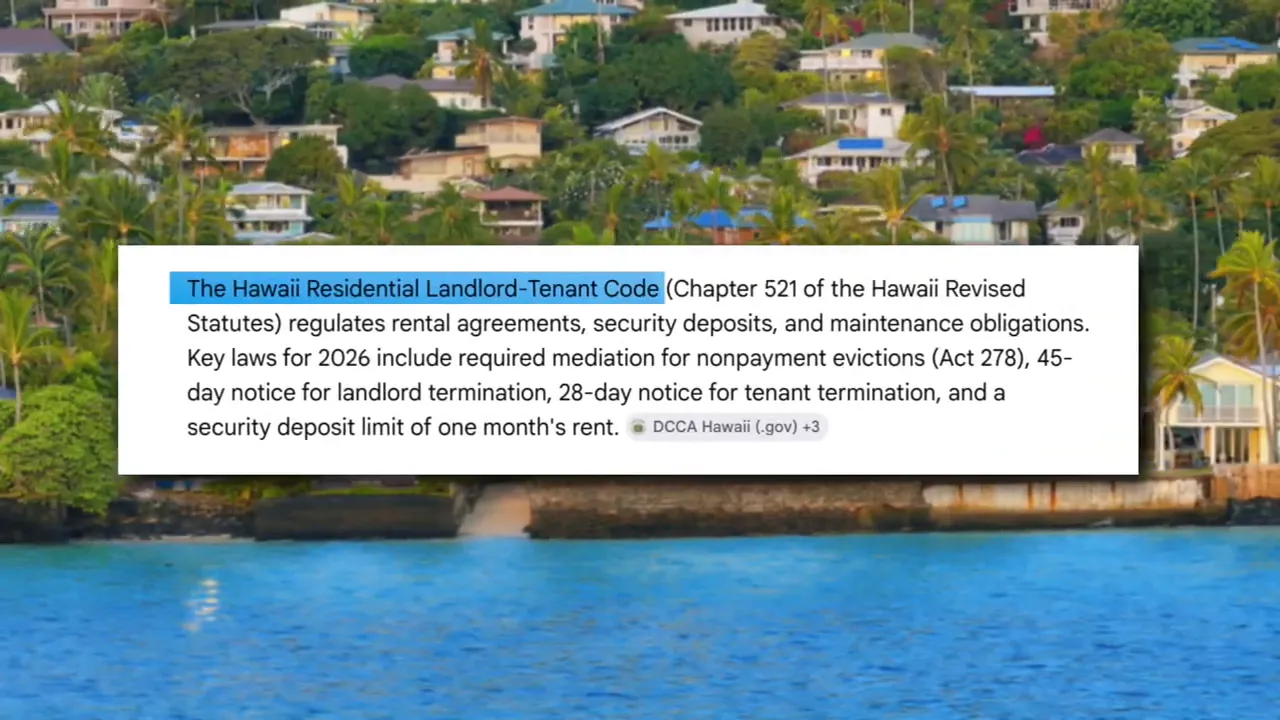
This is why Hawaii is not a strong fit for a do-it-yourself landlord who is unfamiliar with the rules. Compliance matters. Documentation matters. Procedure matters.
When investing in Hawaii real estate, it is not enough to buy in the right area and collect rent. We also need a management approach that respects the legal structure of the state.
Why tenant screening matters more than filling a vacancy fast
Hawaii has a highly mobile population, including military households and people relocating for work. Because of that, tenant screening becomes even more important than many owners realize.
There is often a strong urge to fill a vacancy quickly, especially in a market where monthly cash flow can already be thin. But speed should not be the goal. Protection should be the goal.
One weak tenant decision can cost far more than a couple of empty weeks.
That cost can show up in several ways:
- Late or missed rent
- Property damage
- Legal disputes
- Longer turnover time
- Higher repair and cleaning costs
- Potential eviction expenses
Cash flow protection starts with placing the right tenant, not the fastest tenant. That mindset is one of the simplest but most powerful shifts we can make when investing in Hawaii real estate.
Military rentals can work well if you understand BAH
Military rentals are a major part of the Hawaii housing market, and when handled correctly, they can be a very solid strategy.
There is a reason so many investors pay close attention to this segment. Military tenants can offer strong payment consistency and stable occupancy. But there is an important detail that cannot be ignored: housing budgets are not unlimited.
Basic Allowance for Housing, or BAH, is structured. It is based on factors like rank and location. So if a rental is priced without understanding those limits, the marketing may miss the target completely.

For investors, that means we need to line up three things carefully:
- Pricing that fits realistic housing allowances
- Property condition that attracts reliable tenants
- Marketing that speaks to the right renter profile
When those pieces align, military rentals can be an excellent part of investing in Hawaii real estate. When they do not, owners end up with pricing expectations that the market does not support.
Cash flow versus appreciation in Hawaii
This is the reality many investors need to hear clearly: Hawaii is usually not a traditional high-cash-flow market for long-term rentals.
Many long-term rentals here only barely break even on a monthly basis. That surprises people who are used to analyzing markets where positive cash flow is the primary attraction.
In Hawaii, the bigger long-term play is often appreciation.
That distinction matters because it changes the investment strategy entirely. If we buy expecting wide monthly margins, we may be disappointed. If we buy understanding that the real wealth-building opportunity may come through equity growth over time, the market makes a lot more sense.
That is why investing in Hawaii real estate tends to fit investors who:
- Value long-term appreciation
- Can tolerate thinner monthly margins
- Maintain strong reserves
- Understand the cost of operating in an island market
- Are building wealth with a longer horizon
It is important to be honest about that from day one. Hawaii can still be a strong market. It is just not always strong in the way mainland investors first expect.
Marketing mistakes that quietly cost you money
Marketing is one of the easiest places to lose money without realizing it.
Some owners try to save a few dollars by using poor listing photos. That is almost always the wrong place to be cheap. Professional rental photos are a relatively small expense compared to the cost of attracting weak applicants, sitting vacant longer, or setting the wrong tone for the property.
If we are trying to attract tenants with solid credit, stable income, and strong rental habits, the presentation has to match. Good tenants are evaluating quality too. They notice whether a property looks cared for, well-marketed, and professionally managed.
Bad photos can signal the opposite.
For that reason, one of the best low-cost upgrades in investing in Hawaii real estate is professional photography for rentals. It is a simple move, but it directly affects:
- First impressions
- Inquiry quality
- Perceived property value
- Tenant pool strength
Cheap marketing often leads to expensive outcomes.
How to succeed when investing in Hawaii real estate
Success in this market usually comes down to discipline. Not hype. Not shortcuts. Not assuming things will work themselves out.
When investing in Hawaii real estate, the most successful owners tend to do a few things consistently well:
- They plan for delays. They know timelines may run longer than expected.
- They build in reserves. They do not assume every repair will be cheap or immediate.
- They hire carefully. Contractors and service providers matter.
- They screen tenants thoroughly. A short vacancy can be cheaper than a bad placement.
- They understand local law. They do not improvise with landlord obligations.
- They market professionally. Presentation affects tenant quality.
- They think long term. They understand appreciation may be the bigger win.
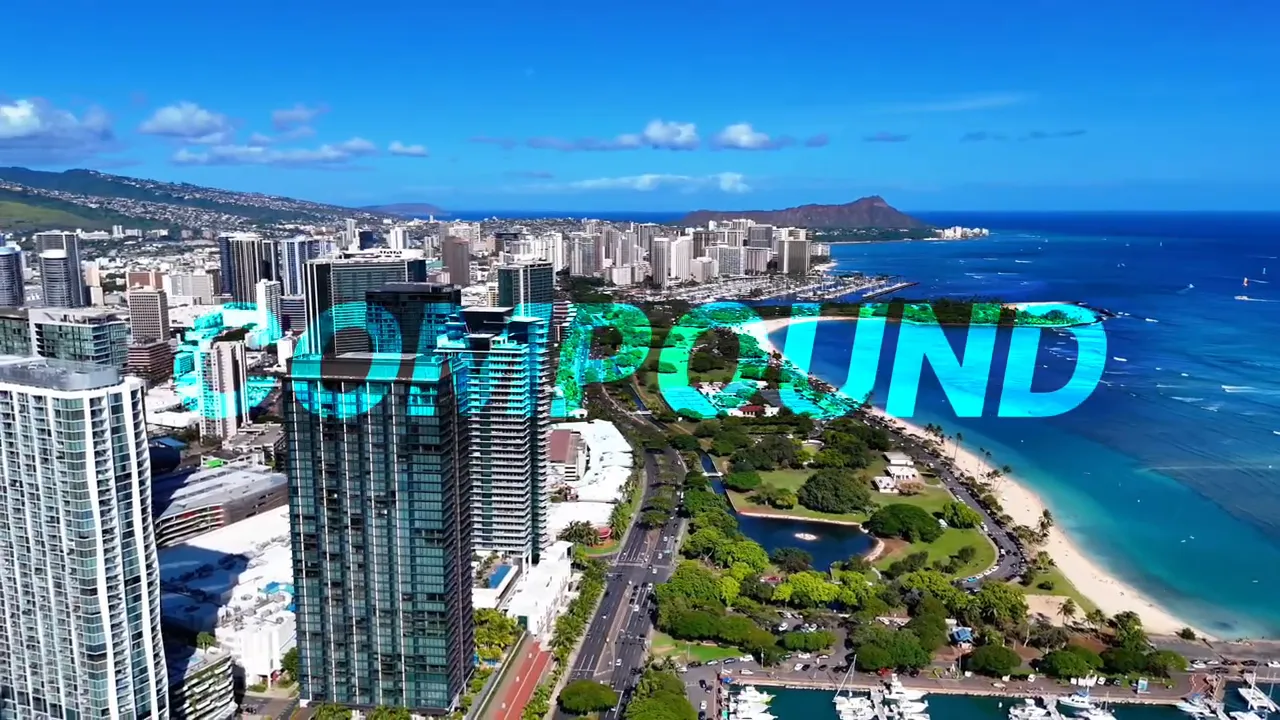
There is a pattern here. Hawaii rewards preparation. It does not reward impatience.
And that is really the heart of investing in Hawaii real estate. We do well when we align with the market as it is, not as we wish it would be.
If we respect the pace, the logistics, the legal framework, and the operational realities, Hawaii can be a powerful long-term investment market. If we ignore those things, even a beautiful property in paradise can become an expensive lesson.
Want help planning your Hawaii real estate investment the right way? Call our team today for a strategy check and next steps: 808-646-2882.
FAQs About Investing in Hawaii Real Estate
Is investing in Hawaii real estate a good idea for cash flow investors?
Usually, not in the traditional sense. Many long-term rentals in Hawaii only break even or produce limited monthly cash flow. The stronger long-term appeal is often appreciation and equity growth rather than large monthly income.
Why are renovations and repairs harder in Hawaii?
Because Hawaii is an island market with tighter labor availability, longer shipping timelines, and fewer immediate backup options. Materials, appliances, and contractor schedules often take longer than mainland investors expect.
Are military rentals a strong strategy in Hawaii?
They can be. Military tenants often bring strong payment reliability and stable occupancy. But pricing has to align with BAH limits, which vary by rank and location. If the rent is misaligned, the property may struggle to attract the right tenant.
How important is tenant screening in Hawaii?
It is critical. Because landlord tenant laws are more tenant-friendly and legal mistakes can be costly, choosing the right tenant up front is one of the best ways to protect income and reduce risk.
Should we self-manage when investing in Hawaii real estate?
If we do not fully understand Hawaii landlord tenant law, local timelines, vendor relationships, and operational realities, self-management can become risky very quickly. This is not a market where legal or logistical guesswork is a small issue.
What is the biggest mistake investors make in Hawaii?
The biggest mistake is applying mainland assumptions to an island market. That usually shows up in unrealistic renovation schedules, weak contractor selection, poor tenant screening, underestimating repair delays, and expecting stronger cash flow than the market typically provides.
Investing in Hawaii real estate can absolutely pay off, but only when we approach it with patience, realism, and respect for how the market actually operates. Paradise is still a business decision. The more clarity we bring into that decision, the better the outcome tends to be.
Read More: Moving to Hawaii? What Your Budget Really Buys on O'ahu