
Table of Contents
- Introduction: The Vibe Of Waikiki
- Living Options In Waikiki
- Understanding Leasehold Versus Fee Simple
- Amenities And Convenience Of Living In Waikiki
- Food, Shopping, And Nightlife In Waikiki
- Waikiki Beach And Outdoor Activities
- What Locals Say About Living In Waikiki
- Top Pros And Cons Of Living In Waikiki, Hawaii
- Practical Tips For Moving To Waikiki
- FAQs About Living In Waikiki
- Final Thoughts
Introduction: The vibe of Waikiki
Living in Waikiki, Hawaii feels like having resort life as your daily routine. The neighborhood hums with energy: street performers, impromptu music, Friday night fireworks along the shoreline, and restaurants on nearly every corner. If you love people, sunshine, and a constant stream of things to do, this place will feel electric. If you prefer solitude and quiet streets, Waikiki might feel a bit too lively.

Waikiki literally means "spouting waters" in Hawaiian. Historically it was a playground for Hawaiian royalty; today it blends that history with a skyline of high rises—from entry-level condominiums to ultra-luxury residences. The result is an urban beach neighborhood where modern conveniences meet postcard-perfect ocean views.
Living Options In Waikiki
There are two ends of the spectrum that stand out: ultra-luxury towers and more modest mid-range condos. Both give you the Waikiki lifestyle, but in very different price brackets and with different lifestyles attached.
Luxury example: Ritz-Carlton Residences
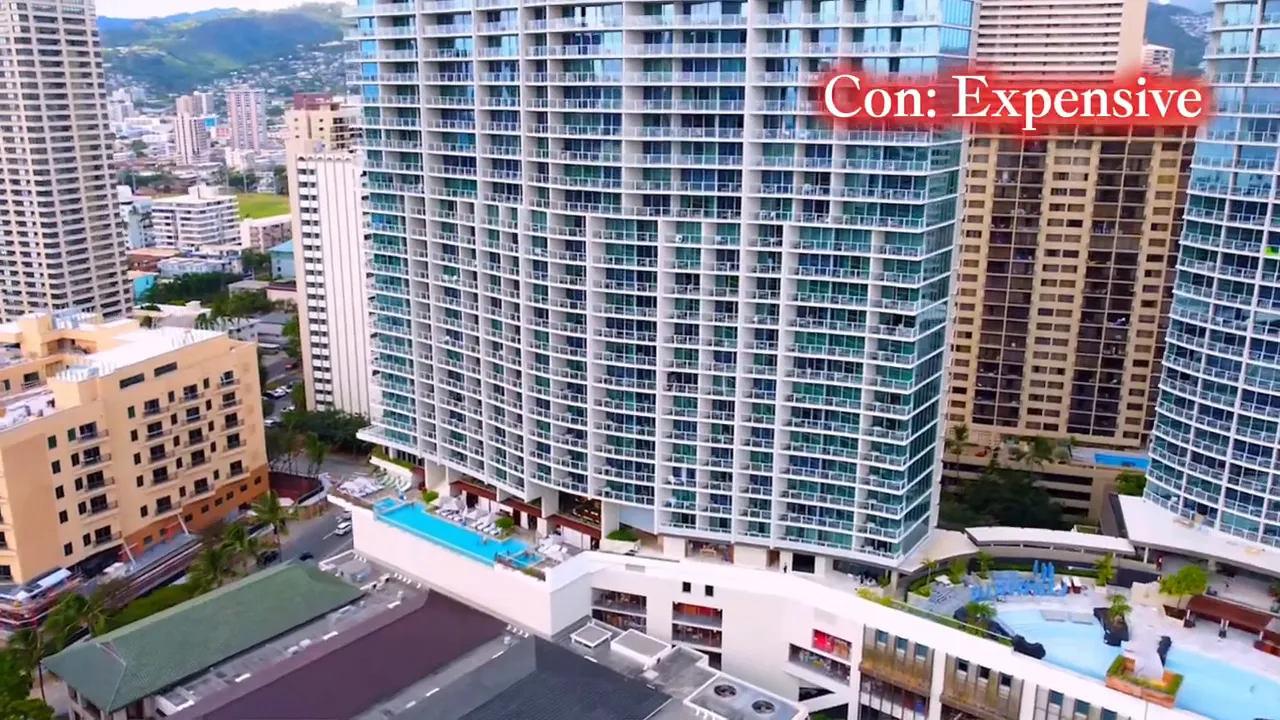
One signature example of luxury here is the Ritz-Carlton Residence on Kalakaua Avenue, part of Waikiki's Luxury Row. These residences offer high-end finishes, dramatic floor-to-ceiling windows, 24-hour concierge, valet parking, on-site dining, spa services, and resort-style amenities such as an infinity pool. Penthouse units here reach multi-million dollar price tags and promise sweeping ocean and city panoramas.
If you want daily access to upscale restaurants and designer shopping and don’t mind the higher HOA and tax bills that accompany this level of service, the Ritz-Carlton lifestyle is unsurpassed in Waikiki.
Mid-range example: Chateau Waikiki
For a more affordable entry into Waikiki, buildings like Chateau Waikiki on Hobron Lane are worth considering. Tucked away from the busiest strips, Chateau offers practical amenities—24-hour security, a heated saltwater pool, barbecue areas, sauna, and fitness rooms—while staying within walking distance of grocery stores and the beach.
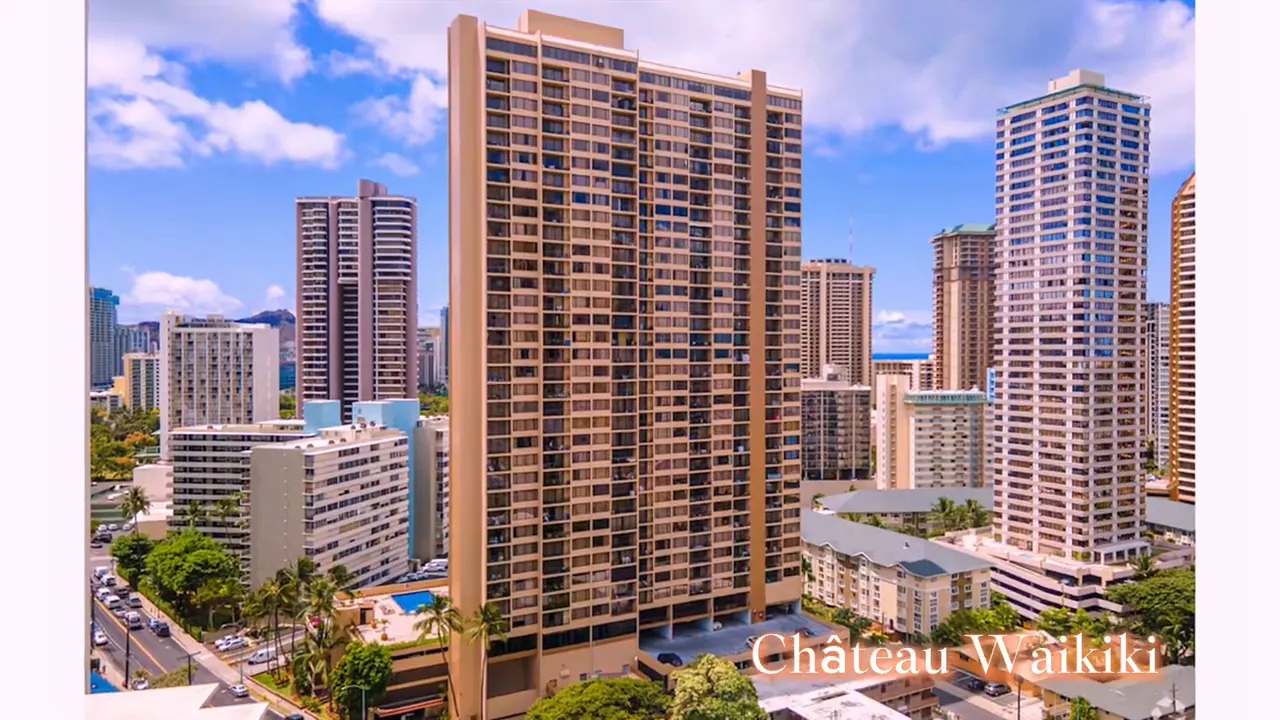
Unit prices fluctuate widely. You will find listings that look extremely inexpensive for Oahu and others that are mid-range. Those differences often trace back to the property type—leasehold or fee simple—and the specific unit condition or location within the building.
Understanding Leasehold Versus Fee Simple
One of the single most important things to know about living in Waikiki, Hawaii is the distinction between fee simple and leasehold ownership. This difference impacts long-term value, financing, and whether the property is a smart investment.
Fee simple (what most buyers want)
Fee simple ownership means you own your condo and your share of the building and land beneath it. It behaves like conventional home ownership: the property generally appreciates, you build equity, and you can pass it to heirs. For most buyers focused on long-term value, fee simple is the preferred choice.
Leasehold (use caution)
Leasehold ownership means you own the structure or unit but not the land it sits on. The land is leased for a fixed term. When the lease expires, the landowner may demand a new lease, or you might need to negotiate a buyout to convert to fee simple—an expensive option. Buyouts I have seen range widely and can be from the low hundreds of thousands to half a million dollars or more.
Leasehold condos can appear attractively priced, which lures buyers unfamiliar with Hawaii's market. But they often do not make good long-term investments unless the math and lease terms clearly favor you. If you are buying to live and not speculating, look closely at the lease end date, ground rent adjustments, and any buyout clauses.
Amenities And Convenience Of Living In Waikiki
One of Waikiki's biggest daily benefits is convenience. Many residents can walk to grocery stores, shops, restaurants, and the beach. That walkability removes the need to drive for everyday needs. Buildings commonly offer fitness centers, pools, BBQ areas, security, and parking (though parking is a premium in some locations).

If you prefer to minimize errands, the neighborhood supports a car-light lifestyle. Street-level retail and easy access to public transit make it simple to run errands on foot or by bus.
Food, Shopping, And Nightlife In Waikiki
Waikiki has a culinary scene that ranges from casual beachfront spots to high-end dining. Standouts include local favorites and island names you may already recognize. Whether you want fresh poke, a hearty brunch, or international cuisine, options are plentiful. Popular names include Noi Thai, Duke’s, and Eating House 1849, among many others.
For shopping, the International Marketplace has charm and curated stores, while Ala Moana Center—just a short ride away—is the world's largest open-air shopping center with 350 plus shops and dining options. If retail therapy is part of your lifestyle, Waikiki keeps it all close.
Waikiki Beach And Outdoor Activities
Waikiki Beach is a global icon for a reason. The long stretch of golden sand and calm, turquoise waters is ideal for sunbathing, swimming, and casual water sports. Lessons for surfing, stand-up paddleboarding, and beach yoga are offered right on the sand.

If you like an active lifestyle, living in Waikiki puts you a few minutes from the water every day, and many residents treat the beach like a backyard extension. The consistent sun and mild trade winds make year-round outdoor recreation easy.
What Locals Say About Living In Waikiki
Residents often highlight three reasons they love living in Waikiki: the sun, the walkability, and the multicultural atmosphere. People report it rarely rains here compared to other parts of Oahu, which keeps outdoor plans reliable. The ability to walk almost everywhere, especially to the beach and shops, is a major lifestyle perk.
Waikiki attracts a global crowd—Australian accents, Japanese and Mandarin speakers, European visitors, and tourists from across the Americas. For people who thrive on meeting new faces and experiencing diverse cultures, Waikiki feels like a permanent vacation.
Top Pros And Cons Of Living In Waikiki, Hawaii
Pros
- Beaches and scenery: Daily access to iconic beaches and ocean views.
- Convenience: Walkable neighborhood with shops, restaurants, and services nearby.
- Endless activities: From surf lessons to shopping and cultural events, there is always something to do.
- International community: Vibrant, multicultural environment with visitors and residents from around the world.
- Resort-style living: Many buildings provide five-star amenities and concierge services.
Cons
- Pricey: Real estate, HOAs, and day-to-day costs can be higher than other parts of Oahu.
- Parking: Finding convenient parking is often challenging and expensive.
- Noise: Waikiki’s liveliness is great for some but can be too noisy for others, especially on busy streets and near nightlife.
- Tourism: While tourist trade fuels the neighborhood’s energy, it also brings crowds and congestion at peak times.
Practical Tips For Moving To Waikiki
If you are thinking about living in Waikiki, Hawaii, here are practical steps to take:
- Decide on lifestyle priorities: Do you want quiet and proximity to the beach, or top-tier service and luxury? Your priorities should guide building and unit selection.
- Check ownership type: Always confirm if a unit is leasehold or fee simple. Read the lease terms carefully and understand future ground rent adjustments or buyout clauses.
- Budget beyond the sale price: Factor in HOA fees, parking fees, property taxes, and potential special assessments.
- Consider parking needs: If you own a vehicle, verify parking availability and costs in the building or nearby.
- Plan for noise and tourists: Visit the neighborhood at different times of day to gauge noise levels and foot traffic.
- Work with local expertise: A realtor familiar with Waikiki can help you navigate building rules, condo disclosures, and market trends.
If you’re still unsure about moving to Waikiki, I can help you weigh the pros and cons and find the right neighborhood and property for your needs. Call or text me at 808-829-0056 for a free consultation. I’m happy to answer questions, run numbers, or arrange tours.
FAQs About Living In Waikiki
Is Waikiki a good place to live year-round?
Waikiki is an excellent place to live year-round if you value sun, beach access, walkability, and a lively social scene. If you need quiet and seclusion, parts of Waikiki can feel busy and noisy. Consider visiting across seasons to test the climate and crowds for yourself.
How expensive is living in Waikiki compared to the rest of Oahu?
Waikiki tends to be more expensive than many other neighborhoods in Honolulu due to its central location and beachfront appeal. Prices vary dramatically by building and unit type, and leasehold units can look cheaper but carry long-term caveats. Budget for higher HOA fees and parking costs.
Should I avoid leasehold properties?
Not always, but leasehold properties require careful analysis. They can be affordable short term, but you must understand the lease end date, potential buyout costs, and how ground rent may change. For most long-term homeowners, fee simple is the safer investment.
Is parking available for residents?
Many buildings offer resident parking, but spaces are limited and sometimes priced separately. Street parking is scarce near central Waikiki. If you own a car, factor parking fees and availability into your housing decision.
What are the best pockets in Waikiki for quieter living?
Streets off the main drag—like parts of Hobron Lane—tend to be quieter. Buildings tucked a block or two from Kalakaua Avenue often strike a balance between accessibility and calm.
How walkable is Waikiki?
Extremely walkable. Many residents walk to grocery stores, shops, restaurants, and the beach. Public transit and ride services are also readily available.
What should I inspect before buying a condo in Waikiki?
Review HOA financials, condo rules, maintenance history, reserve funds, any pending assessments, ownership type (leasehold vs fee simple), and unit condition. Also evaluate neighborhood noise, foot traffic, and proximity to amenities.
Final Thoughts
Living in Waikiki, Hawaii means choosing a lifestyle where the ocean and urban convenience meet. It is a place that offers daily sunshine, global culture, and nonstop options for dining, shopping, and recreation. The tradeoffs are higher living costs, parking frustrations, and occasional noise. If your idea of home includes beaches, people, and easy access to the best parts of Oahu, Waikiki could be your ideal neighborhood.
If you decide to take the next step, do the homework: check ownership types, understand fees, visit at different times, and align your choice with how you want to live day-to-day. With the right plan, living in Waikiki, Hawaii can feel like a permanent vacation that you get to call home.